
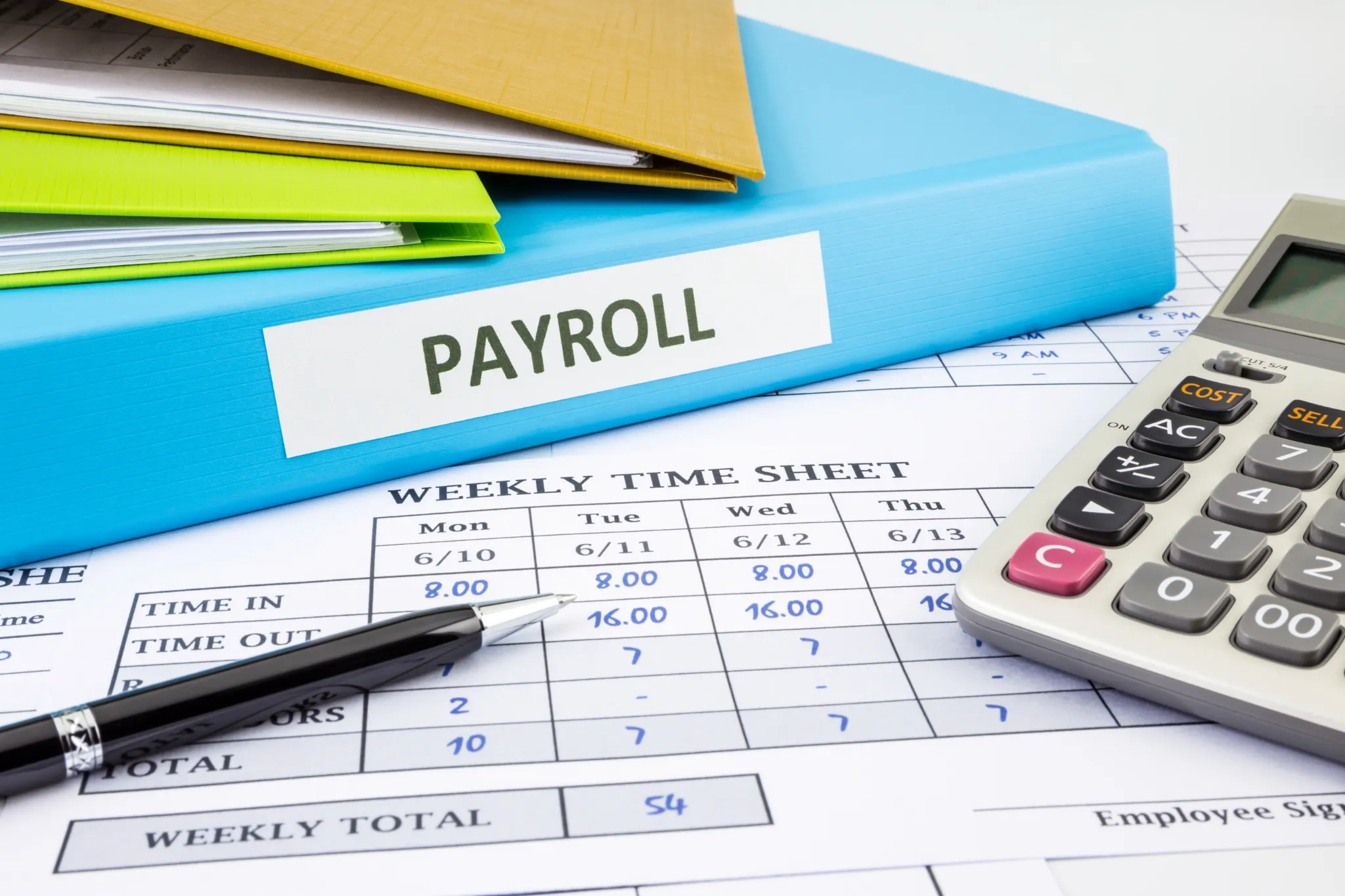

Payroll outsourcing in Thailand allows foreign-owned companies to stay compliant without managing complex monthly payroll obligations internally. A payroll provider calculates salaries, applies withholding tax and Social Security Fund deductions, prepares payslips, files PND 1 returns, and helps ensure employees are paid accurately and on time. Employers must also apply the Social Security Fund wage ceiling of THB 17,500, in force since 1 January 2026, and, from 1 October 2026, mandatory Employee Welfare Fund (EWF) contributions for companies with 10 or more employees. For many businesses, outsourcing payroll reduces compliance risk, protects salary confidentiality and is more cost-effective than maintaining an in-house payroll function.
Introduction
Payroll outsourcing Thailand helps foreign-owned businesses maintain compliance with Thailand’s payroll rules without the burden of managing the process in-house. From calculating statutory deductions to meeting strict monthly filing deadlines, payroll in Thailand requires accuracy and a clear understanding of local compliance requirements. Mistakes can lead to financial penalties, while company directors may also be held personally responsible for certain payroll obligations.
For many international businesses, outsourcing payroll provides a straightforward way to ensure employees are paid accurately, confidentially and on time, while reducing the administrative workload on internal teams.
Points clés
- Payroll outsourcing helps foreign companies stay compliant by managing salary calculations, statutory deductions, monthly filings and payroll deadlines in line with Thai regulations.
- Two changes now apply to every payroll: the Social Security Fund wage ceiling rose to THB 17,500 on 1 January 2026, and employers with 10 or more employees must contribute to the Employee Welfare Fund (EWF) from 1 October 2026.
- A payroll provider manages the entire monthly payroll cycle, including salary calculations, PND 1 filings, Social Security submissions, payslips, year-end reporting, employee registrations and deregistrations, and final pay when an employee leaves.
- Payroll outsourcing is different from a PEO or EOR. With payroll outsourcing, your company remains the legal employer, while a PEO or EOR employs staff through its own Thai entity.
- Outsourcing payroll can reduce compliance risks and administrative costs, while improving confidentiality and ensuring employees are paid accurately and on time.
Why Do Foreign Companies Outsource Payroll in Thailand?
Confidentiality is the first reason, and often the most underestimated. When payroll is run by an external team, salaries, bonuses and deductions are not visible to the internal finance or administration staff. Where there are significant pay gaps within a team, salary information that circulates internally quickly creates comparisons, frustration and tension. An external provider keeps this information between management and each employee.
Compliance is the second reason. Foreign entrepreneurs often choose payroll outsourcing Thailand because the monthly submissions and government returns are in Thai, and any missed deadline can lead to fines, surcharges and director liability.
Cost is also a major consideration. Hiring an in-house accountant with the necessary payroll management Thailand experience can be more expensive than using an external provider, particularly for companies with smaller teams.
Accuracy is equally important. A Thailand payroll provider keeps updated with all the statutory requirements and updates, applies the correct deductions and updates calculations when the rules change. Salary calculations are rarely as simple as they look: overtime at statutory rates, conditional bonuses and commissions, unpaid leave and employee expense reimbursements must each be treated correctly for tax and social security purposes, and one error flows through to the PND 1 and the social security return. The rules also moved: the Social Security Fund wage ceiling was raised on 1 January 2026, and mandatory Employee Welfare Fund (EWF) contributions started on 1 October 2026.

What Does a Payroll Provider Handle Each Month?
A Thailand payroll provider follows a fixed monthly cycle covering employee information, calculations, approvals, filings, salary payments and reporting.
VB&Partners agrees a payroll calendar with each client so that input cut-off dates, approval deadlines and payment dates are confirmed in advance.
Step 1: Salary Calculation and Deductions
The provider collects the information needed for each salary calculation, including gross salary, overtime, bonuses, commissions, unpaid leave, reimbursements and other adjustments.
Withholding tax is calculated for each employee based on their projected annual income and Thailand’s progressive personal income tax rates, which range from 0% to 35%. Employers must also deduct Social Security Fund contributions at 5% of wages. Since 1 January 2026, the maximum salary used for Social Security calculations has increased from THB 15,000 to THB 17,500, raising the maximum monthly contribution from THB 750 to THB 875 for both the employer and employee. From 1 October 2026, companies with 10 or more employees must also deduct and pay Employee Welfare Fund (EWF) contributions of 0.25% of wages each for the employer and the employee, unless all staff are covered by a registered provident fund.
The employer receives a breakdown of gross pay, statutory deductions and net pay for approval before salaries are released.
Step 2: Filings and Payments
The employer’s monthly PND 1 return must be submitted to the Revenue Department by the 7th of the following month, or by the 15th when filed electronically.
The social security report and payment must also be submitted to the Social Security Office by the 15th. Once approved, net salaries are paid in Thai Baht on the agreed payroll date. Timing matters: employees expect their salary on the same day every month, and a late payment caused by a missing input or approval quickly damages trust. For clients who wish, VB&Partners can also process the salary transfers once the payroll has been validated, so that calculation, payment and filings are completed in one cycle.
Payroll outsourcing Thailand helps keep the calculations, filings and salary payments properly prepared and made on time.
Step 3: Payslips, Reports and Year-End Support
Employees receive a payslip for every pay period, either in physical form or by issuing an epayslip. Management also receives a monthly report showing salary costs, deductions, employer contributions and net payments.
At year-end, the provider prepares the PND 1 Kor annual withholding summary and issues each employee’s withholding tax certificate (50 Tawi), which the employer is legally required to provide. It can also provide employees with the information needed for their PND 91 filings.
New employees must be registered with social security within 30 days of becoming employed, and departing employees must be deregistered by the 15th of the month following their last day. The provider handles both, so that the company’s records with the Social Security Office always match its actual headcount.
When an Employee Leaves
Payroll support matters just as much when an employment relationship ends. Termination notice must be served on or before a pay date to take effect at the following one (Section 17 of the Labour Protection Act), so the timing has to be coordinated with the company’s lawyers. The provider then calculates the final salary, any payment in lieu of notice, severance pay under Section 118 and unused annual leave. Fixed allowances paid regularly with the salary may count as wages and must then be included in the severance base, a point that is often missed. Once the final pay is settled, the provider issues the departing employee’s withholding tax certificate and files the social security deregistration.
Thai Payroll Compliance Rules Employers Must Know in 2026
The first change this year is the increase in the Social Security Fund wage ceiling from 15,000 THB to 17,500 THB, in force since 1 January 2026.
The contribution rate remains 5%. This means the maximum monthly contribution is now 875 THB for the employer and 875 THB for the employee, or 1,750 THB in total. The ceiling is scheduled to rise again in 2029 and 2032. Employers can review the 2026 social security contribution changes in more detail. The second change is the Employee Welfare Fund (EWF): from 1 October 2026, employers with 10 or more employees must contribute 0.25% of wages and deduct the same amount from each employee, with payment due by the 15th of the following month. The rate rises to 0.5% from 1 October 2031.
Employers must also withhold personal income tax from salaries each month and remit it through PND 1. The deadline is the 7th of the following month for paper submissions and the 15th for e-filing. More information is available in this guide to PND forms and tax submission.
In practice, payroll records should be kept for at least five years. The Labour Protection Act only requires wage records to be kept for two years (Section 115), but payslips, payroll registers and PND 1 filings also support the company’s accounts, and the Accounting Act requires accounting documents to be kept for five years from the closing of the accounts (Section 14). Employees must also be paid at least once per month.
Late tax filings can trigger fines and a surcharge of 1.5% per month on unpaid tax. Directors may also face personal liability. Payroll outsourcing Thailand does not remove the employer’s legal responsibilities, but it reduces the risk of missed deadlines and incorrect submissions.
Payroll Outsourcing vs PEO/EOR: Which Do You Need?
Payroll outsourcing Thailand is suitable when your company already has a Thai legal entity and directly employs its staff. The provider calculates salaries, applies deductions, submits filings, prepares payslips and supports salary distribution, but your company remains the legal employer.
A PEO or EOR arrangement is different. It is generally used when a foreign business does not have a Thai entity or wants to hire employees before completing its own setup. Under this model, the provider’s own Thai entity is the legal employer of the staff and carries the related employer obligations.
The distinction is simple: an existing Thai entity with employees normally requires payroll outsourcing. A business without a local entity may need a PEO/EOR service in Thailand.
VB & Partners Payroll Outsourcing: Pricing and What’s Included
VB & Partners provides payroll outsourcing Thailand from 1,000 THB per month per employee.
The service includes salary calculations, withholding tax and Social Security Fund deductions, PND 1 and social security filings, payslips, withholding tax certificates and monthly payroll reports. Processing of salary payments can be added as an option. Further information is available on the firm’s payroll services page.
Clients receive support in English and French from a Federation of Accounting Professions member firm. Pricing is fixed and transparent, and a tailored quote can be provided within 24 hours.
Book a consultation by WhatsApp or email to discuss your payroll management Thailand requirements.
Questions Fréquemment Posées About Payroll Outsourcing in Thailand
How much does payroll outsourcing cost in Thailand?
Payroll outsourcing Thailand with VB & Partners starts from 1,000 THB per month per employee, plus 7% VAT. The final price depends on employee headcount, payroll complexity and any additional reporting requirements.
What is the difference between payroll outsourcing and PEO in Thailand?
With payroll outsourcing, your company remains the legal employer and the provider processes payroll. With a PEO or EOR, the provider employs the staff through its own Thai entity.
Can a foreign company outsource payroll in Thailand?
Yes. A foreign-owned company with a Thai legal entity can appoint a Thailand payroll provider to calculate salaries, make statutory deductions, prepare payslips and submit monthly filings.
What does a payroll provider do in Thailand?
A provider calculates gross and net pay, applies withholding tax and social security deductions, submits PND 1 and Social Security filings, prepares payslips and produces monthly reports. These payroll services are completed on the employer’s behalf.
What taxes does an employer pay on payroll in Thailand?
Employers withhold personal income tax from employee salaries and remit it through PND 1. They must also pay the employer’s Social Security Fund contribution in addition to deducting the employee contribution.
How much is the social security contribution in Thailand in 2026?
The contribution is 5% of wages, capped at 875 THB per month for both the employer and employee. The applicable wage ceiling in 2026 is 17,500 THB.
When is PND 1 due in Thailand?
PND 1 is due by the 7th of the following month for paper filing, or by the 15th when submitted electronically through the Revenue Department’s e-filing system.
How long must payroll records be kept in Thailand?
At least five years. The Labour Protection Act sets a two-year minimum for wage records, but payroll documents also support the company’s accounts, which the Accounting Act requires to be kept for five years from the closing date. Records should remain complete and consistent with the company’s tax and social security filings.
Do employers have to give payslips in Thailand?
Yes. Employers should provide a payslip for every pay period. It may be issued in paper or electronic form, provided the employee can access their salary and deduction details.
Is it better to outsource payroll or do it in-house in Thailand?
Outsourcing is often more practical for foreign companies without local payroll expertise. It improves confidentiality, reduces compliance risk and can cost less than employing a payroll-competent accountant internally.
Outsource Your Thailand Payroll to VB & Partners
Payroll outsourcing Thailand can help businesses avoid one of the most common administrative headaches of operating in Thailand. Payroll is deadline-driven, involves multiple statutory deductions, and mistakes can result in penalties, interest charges and, in some cases, director liability. Working with a specialist payroll provider helps ensure salaries, deductions and monthly filings are completed accurately and on time.
At VB & Partners, we provide payroll outsourcing services in English and French, with fixed pricing from 1,000 THB per month
If you would like to understand how payroll outsourcing could work for your business, contact our team for a consultation. We provide a fixed quotation within 24 hours with no obligation, and can be reached by WhatsApp or email.
Clause de non-responsabilité
Veuillez noter que cet article est fourni à titre d'information uniquement et ne constitue pas un conseil juridique ou fiscal.